- TOP
- > ExploreJapaneseCulture
- > Japanese Food
- > What Is Wagashi? Japan’s Traditional Sweets Shaped by the Seasons and Tea Culture
 Japanese Food
Update:2025.11.14
What Is Wagashi? Japan’s Traditional Sweets Shaped by the Seasons and Tea Culture
When you travel through Japan, you’ll often come across beautiful wagashi — traditional Japanese sweets that reflect the changing seasons.
Made from natural ingredients like azuki beans and glutinous rice flour, each piece is carefully handcrafted by artisans who capture the colors and moods of the seasons in their creations.
Wagashi have long been enjoyed at tea gatherings and seasonal celebrations, embodying the Japanese sensibility of living in harmony with nature and cherishing the changing seasons.
In this article, we’ll explore how these sweets — wagashi — are deeply connected to Japan’s four seasons and tea culture.
Contents
Wagashi — Respect for Nature and Artisanship
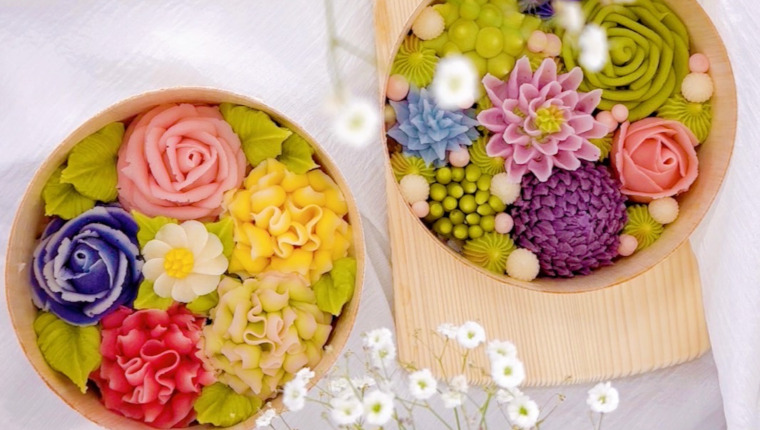
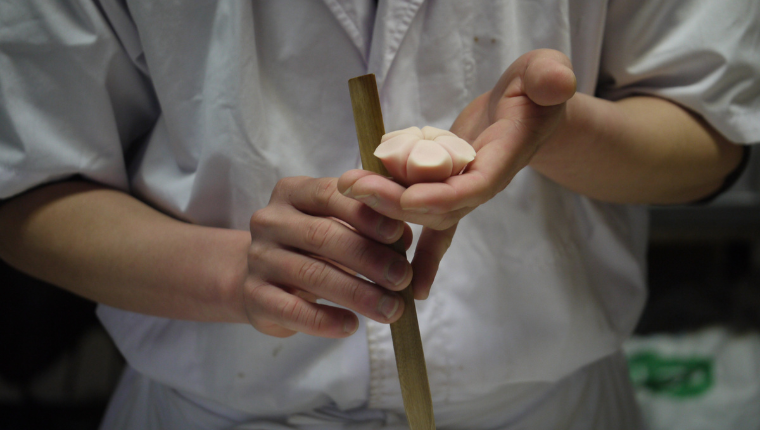 Wagashi are traditional Japanese confections made mainly from plant-based ingredients such as glutinous rice flour, beans, and agar.
Unlike Western sweets made with butter or cream, they use little to no dairy or oil, making them lighter and allowing the natural flavors to shine through.
Behind their delicate appearance lies the refined skill of Japanese artisans.
Each sweet is shaped by hand, inspired by seasonal colors, flowers, and landscapes.
Every bite carries a quiet respect for nature and the maker’s gentle care for the person enjoying it.
You’ll also find regional varieties across Japan — each reflecting local ingredients, climate, and culture.
This diversity adds even more charm to Japan’s sweet traditions.
Wagashi are traditional Japanese confections made mainly from plant-based ingredients such as glutinous rice flour, beans, and agar.
Unlike Western sweets made with butter or cream, they use little to no dairy or oil, making them lighter and allowing the natural flavors to shine through.
Behind their delicate appearance lies the refined skill of Japanese artisans.
Each sweet is shaped by hand, inspired by seasonal colors, flowers, and landscapes.
Every bite carries a quiet respect for nature and the maker’s gentle care for the person enjoying it.
You’ll also find regional varieties across Japan — each reflecting local ingredients, climate, and culture.
This diversity adds even more charm to Japan’s sweet traditions.
Recommended
-
The Four Seasons Through Wagashi
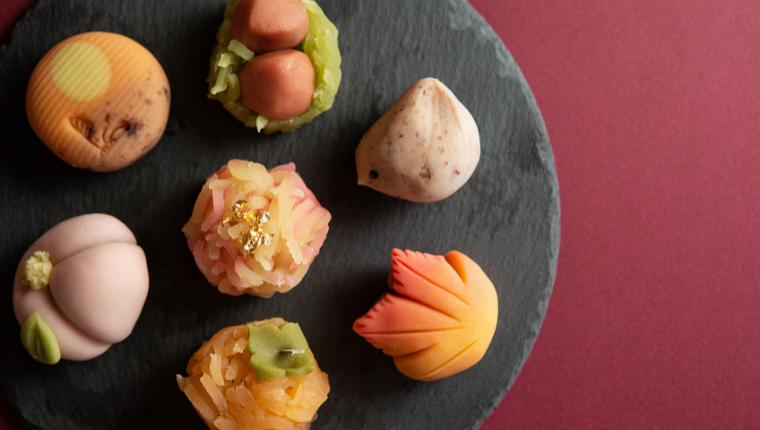 Stretching from north to south, Japan is a temperate country surrounded by mountains and the sea.
In Japan, the temperature and scenery change so vividly with each season that the differences between spring, summer, autumn, and winter feel almost alive.
For people who have long found joy in these seasonal shifts, wagashi are a familiar way to savor those changes in everyday life.
Stretching from north to south, Japan is a temperate country surrounded by mountains and the sea.
In Japan, the temperature and scenery change so vividly with each season that the differences between spring, summer, autumn, and winter feel almost alive.
For people who have long found joy in these seasonal shifts, wagashi are a familiar way to savor those changes in everyday life.
- Spring — Sakura mochi, shaped like cherry blossoms, and kusamochi (mugwort rice cakes) with their fresh herbal aroma capture the spirit of spring. Their soft colors and gentle look bring to mind the moment when flowers begin to bloom.
- Summer — In the heat of summer, people enjoy chilled mizu-yokan (sweet red bean jelly) or tender warabi mochi (chewy bracken-starch sweets). Their translucent appearance and clean sweetness offer a refreshing break from the summer sun.
- Autumn — As the air turns crisp, sweets made with chestnuts like kurikinton(mashed sweet chestnut wagashi) and maple-shaped nerikiri(artful confections shaped from white bean paste) appear, reflecting the colors and bounty of fall. Their warm tones and mild sweetness evoke the cozy feeling of the harvest season.
- Winter — When the weather grows cold, a bowl of hot oshiruko or zenzai — sweet red bean soup with pieces of mochi — warms both body and heart, bringing comfort on a winter’s day.
From a Special Tradition to Everyday Sweet Moments
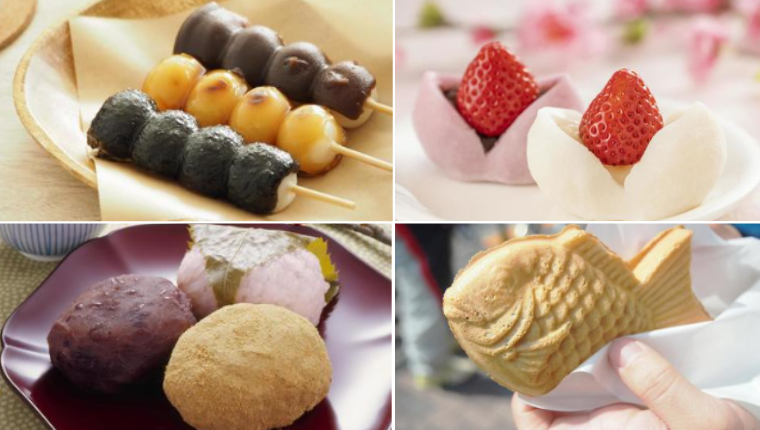 Many people think of wagashi as elegant sweets enjoyed at tea ceremonies or on special occasions.
But in Japan, they’re also part of everyday life.
At supermarkets and convenience stores, you’ll find plenty of casual favorites — mitarashi dango (chewy rice dumplings coated in sweet soy glaze), sakura mochi wrapped in pickled cherry leaves, fluffy dorayaki pancakes filled with red bean paste, and smooth, jelly-like yokan.
Modern takes on wagashi are just as popular.
You’ll see dorayaki filled with whipped cream, matcha-flavored ice cream and cakes, or Mont Blanc cakes made with Japanese chestnuts — all blending traditional ingredients with a modern touch.
Wagashi have moved from being a symbol of refined tradition to something people enjoy in their daily lives — evolving with the times while staying close to the heart of Japanese culture.
Many people think of wagashi as elegant sweets enjoyed at tea ceremonies or on special occasions.
But in Japan, they’re also part of everyday life.
At supermarkets and convenience stores, you’ll find plenty of casual favorites — mitarashi dango (chewy rice dumplings coated in sweet soy glaze), sakura mochi wrapped in pickled cherry leaves, fluffy dorayaki pancakes filled with red bean paste, and smooth, jelly-like yokan.
Modern takes on wagashi are just as popular.
You’ll see dorayaki filled with whipped cream, matcha-flavored ice cream and cakes, or Mont Blanc cakes made with Japanese chestnuts — all blending traditional ingredients with a modern touch.
Wagashi have moved from being a symbol of refined tradition to something people enjoy in their daily lives — evolving with the times while staying close to the heart of Japanese culture.
Enjoying Wagashi with Matcha — The Spirit of Japanese Hospitality
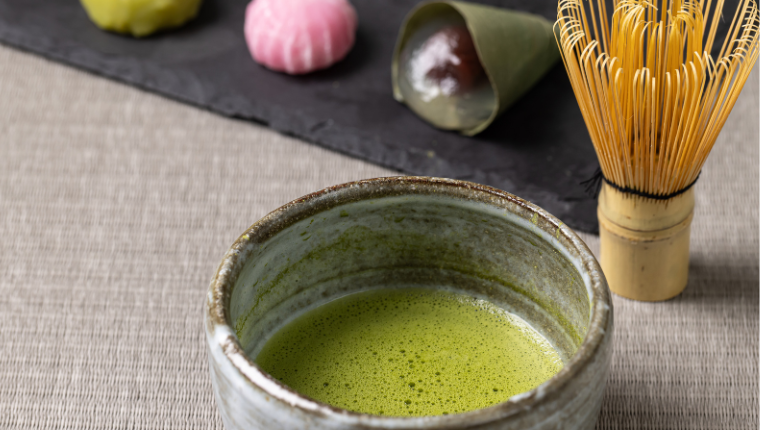 In Japan’s traditional tea ceremony, guests are welcomed with a bowl of matcha — finely powdered green tea whisked with care.
To complement its gentle bitterness, wagashi are always served alongside. Their sweetness balances the tea’s gentle bitterness, creating a moment of quiet harmony.
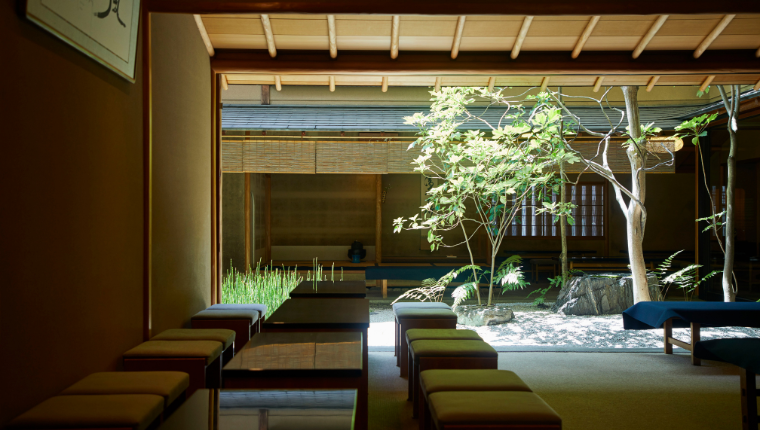
At a tea gathering — a setting where the host prepares and serves tea for guests — two types of wagashi are offered depending on the occasion.
At formal tea gatherings, guests are served beautifully crafted namagashi — fresh sweets such as nerikiri (delicate confections made by kneading and coloring white bean paste into seasonal shapes) and yokan (sweet red bean jelly made from azuki beans, agar, and sugar). These artful creations often depict seasonal flowers or landscapes, adding beauty to the occasion.
These confections are crafted to match the season, often resembling flowers or landscapes.
In contrast, at more casual tea gatherings, guests are served higashi — dry sweets that melt gently on the tongue, offering a refined and delicate sweetness.
In the way of tea, what matters most are the principles of omotenashi (wholehearted hospitality) and ichigo ichie — the belief that every encounter is unique and will never come again.It’s a reminder to treat each meeting with heartfelt sincerity, knowing it will happen only once.
Wagashi, too, embody this spirit. From their flavor and appearance to the choice of seasonal motifs, every detail reflects the maker’s quiet thoughtfulness and kindness toward those who enjoy them.
Recommended
In Japan’s traditional tea ceremony, guests are welcomed with a bowl of matcha — finely powdered green tea whisked with care.
To complement its gentle bitterness, wagashi are always served alongside. Their sweetness balances the tea’s gentle bitterness, creating a moment of quiet harmony.
At a tea gathering — a setting where the host prepares and serves tea for guests — two types of wagashi are offered depending on the occasion.
At formal tea gatherings, guests are served beautifully crafted namagashi — fresh sweets such as nerikiri (delicate confections made by kneading and coloring white bean paste into seasonal shapes) and yokan (sweet red bean jelly made from azuki beans, agar, and sugar). These artful creations often depict seasonal flowers or landscapes, adding beauty to the occasion.
These confections are crafted to match the season, often resembling flowers or landscapes.
In contrast, at more casual tea gatherings, guests are served higashi — dry sweets that melt gently on the tongue, offering a refined and delicate sweetness.
In the way of tea, what matters most are the principles of omotenashi (wholehearted hospitality) and ichigo ichie — the belief that every encounter is unique and will never come again.It’s a reminder to treat each meeting with heartfelt sincerity, knowing it will happen only once.
Wagashi, too, embody this spirit. From their flavor and appearance to the choice of seasonal motifs, every detail reflects the maker’s quiet thoughtfulness and kindness toward those who enjoy them.
Recommended-
A Tradition of Wagashi Passed Down with Tea
Wagashi have evolved over centuries alongside Japan’s tea culture.Among the many places that preserve this tradition, Kyoto, Kanazawa, and Matsue are especially known for their deep connection between tea and sweets.Kyoto
In Kyoto, where the art of tea flourished, the craft of wagashi also took root. Famous examples include nama yatsuhashi — soft rice flour dough flavored with sugar and cinnamon, wrapped around sweet bean paste — and nerikiri, delicate confections made from white bean paste and shaped into seasonal motifs like cherry blossoms or chrysanthemums.Kanazawa
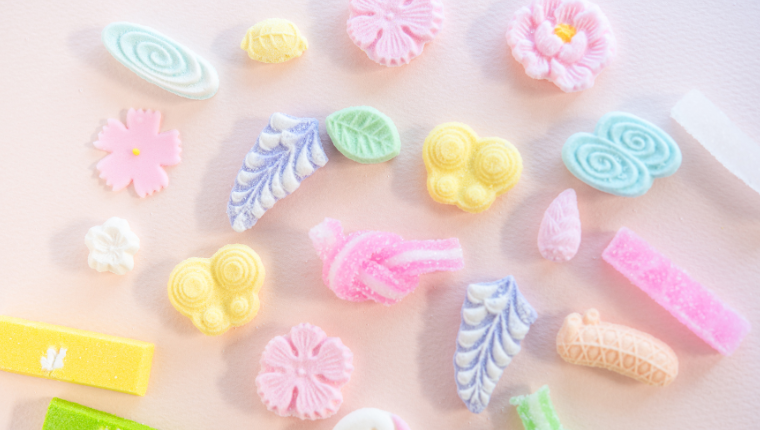
Known for its rich heritage in crafts and fine arts, Kanazawa brings that same artistic sensibility to its sweets. Local favorites include Kanazawa kintsuba — Baked confections made by wrapping sweet red bean paste in a thin layer of dough — and rakugan, beautifully molded dry sweets made from glutinous rice flour, sugar, and syrup, often shaped like maple leaves or cherry blossoms.Matsue
Known as a “city of tea,” Matsue still treasures the calm tradition of taking time to enjoy tea and wagashi together. Beloved local treats include Wakakusa, soft mochi filled with sweet bean paste and coated in green sugar, and Yamakawa, layered red-and-white sweets representing mountains and rivers.Each of these towns reflects its own landscape, climate, and the sensibilities of its people.Tasting these wagashi while traveling offers a special moment to experience the local culture and scenery — a gentle way to connect with the spirit of each place.Recommended-
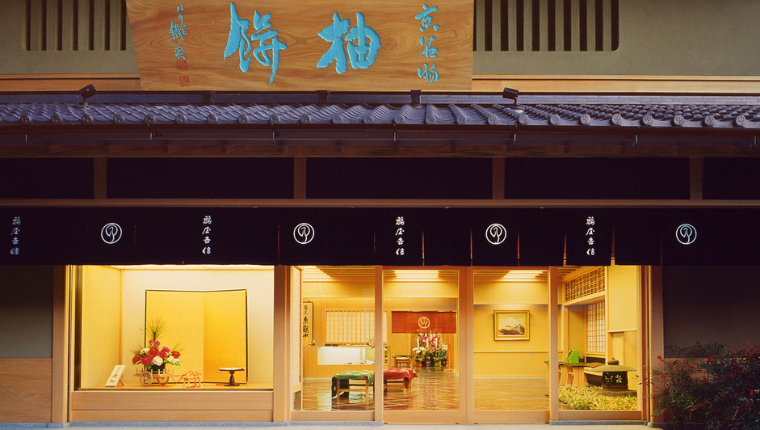
A Taste of Japan’s Seasons and Heart
Wagashi are more than just sweets. Each small bite holds the beauty of Japan’s four seasons and the gentle spirit of thoughtfulness that reflects the Japanese way of caring for others. Passed down together with the way of tea, wagashi still live on as a cherished part of everyday life in Japan. When you visit, take a quiet moment in a traditional garden or tea room to enjoy wagashi with a cup of tea — and feel the subtle passage of the seasons in every bite.RecommendedAbout the Writer

Saya.Y
Based in Hokkaido, I’m a writer and a mother of two. I’ve loved Japanese culture since childhood—especially castles, samurai, and ninja. I hold a Level 3 Castle Examination certification, and I never miss movies or period dramas featuring ninja! With the hope that travelers to Japan will also discover its culture, I write clear and helpful articles.
-
Search by Keyword
Explore More of Japan
-