- TOP
- > ExploreJapaneseCulture
- > Japanese Food
- > Onsen Ryokan Dining: Discover Kaiseki Cuisine in Japan
 Japanese Food
Update:2025.12.15
Onsen Ryokan Dining: Discover Kaiseki Cuisine in Japan
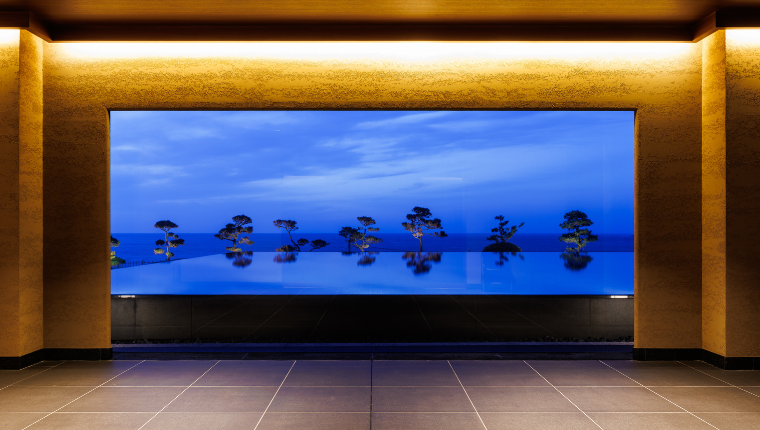
Soaking in a hot spring and unwinding at a traditional ryokan is one of the great pleasures of traveling in Japan.
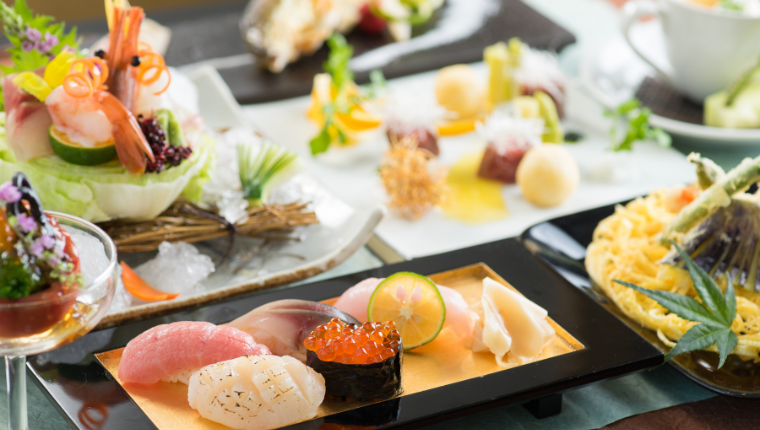
These days, many onsen ryokan offer buffet-style dining where you can choose whatever you like. But if you want something truly Japanese, trying kaiseki cuisine is highly recommended. Whether you’re staying by the sea, surrounded by mountains, or in a region with its own unique food culture, kaiseki reflects local flavors right on the plate.
In this article, we’ll explain what kaiseki cuisine is and how beautiful Japanese tableware plays a role in the experience.
Contents
- What Is Kaiseki Cuisine? A Taste That Changes by Region
- Savoring the Seasons: Japan’s Long-Cherished Aesthetic of Seasonal Food
- Dinner at an Onsen Ryokan: A Relaxing Evening
- Japanese Tableware: The Craft That Brings Kaiseki to Life
- Try a Pottery Experience While You Travel
- ”Kaiseki Cuisine: A Special Cultural Experience of Traveling in Japan
What Is Kaiseki Cuisine? A Taste That Changes by Region
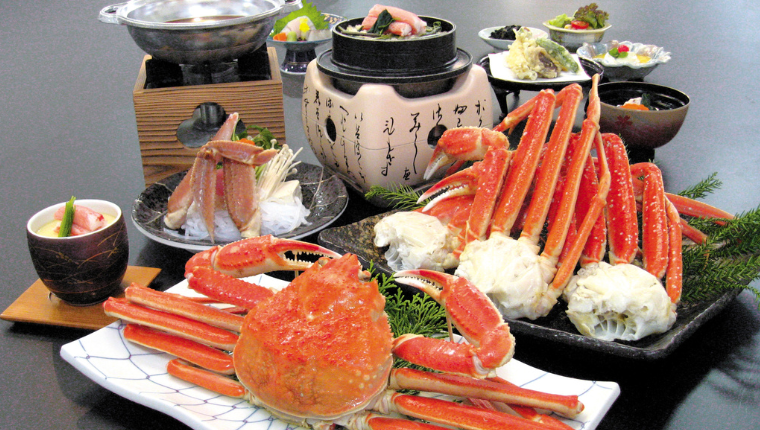 Kaiseki is a traditional Japanese dining style built around seasonal and regional ingredients.
Where you eat matters — the atmosphere and flavors change dramatically depending on the location.
For example:
Kaiseki is a traditional Japanese dining style built around seasonal and regional ingredients.
Where you eat matters — the atmosphere and flavors change dramatically depending on the location.
For example:
- Coastal ryokan: Fresh sashimi, seaweed, grilled fish — dishes that highlight the ocean
- Mountain onsen towns: Wild vegetables, mushrooms, river fish — flavors of the mountains
- Regions with distinct seasoning traditions: dishes that reflect the local palate, from sweeter soy sauce and rich dashi to fragrant yakumi (Japanese condiments).
Savoring the Seasons: Japan’s Long-Cherished Aesthetic of Seasonal Food
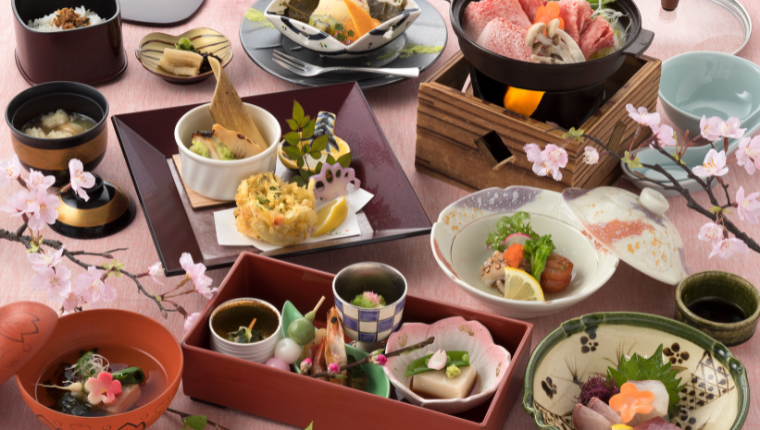 In Japan, seasonal change is something to be enjoyed at the table.
Kaiseki cuisine showcases the best ingredients of the moment and expresses each season beautifully.
Spring: Cherry blossom–colored tableware and dishes decorated with sakura petals, featuring spring-only aromas from ingredients like red sea bream, bamboo shoots, and rapeseed greens.
Summer: Clear glassware for a cooling feel, with seasonal ingredients that bring a refreshing sense of summer, such as sweetfish, eel, and summer vegetables.
Autumn: Autumn-leaf–inspired tableware and calm colors, paired with matsutake, Japanese mushrooms, and Pacific saury, showcasing the deeper flavors unique to autumn.
Winter: Lacquerware and hot pots add a sense of warmth, while dishes such as cod, crab, and yuzu-scented simmered foods bring comfort to the winter table.
From the presentation and the colors of the tableware to the seasonal atmosphere at the table.
Each dish brings the season to life — one of the great charms of Japanese kaiseki cuisine.
In Japan, seasonal change is something to be enjoyed at the table.
Kaiseki cuisine showcases the best ingredients of the moment and expresses each season beautifully.
Spring: Cherry blossom–colored tableware and dishes decorated with sakura petals, featuring spring-only aromas from ingredients like red sea bream, bamboo shoots, and rapeseed greens.
Summer: Clear glassware for a cooling feel, with seasonal ingredients that bring a refreshing sense of summer, such as sweetfish, eel, and summer vegetables.
Autumn: Autumn-leaf–inspired tableware and calm colors, paired with matsutake, Japanese mushrooms, and Pacific saury, showcasing the deeper flavors unique to autumn.
Winter: Lacquerware and hot pots add a sense of warmth, while dishes such as cod, crab, and yuzu-scented simmered foods bring comfort to the winter table.
From the presentation and the colors of the tableware to the seasonal atmosphere at the table.
Each dish brings the season to life — one of the great charms of Japanese kaiseki cuisine.
Recommended
-
Dinner at an Onsen Ryokan: A Relaxing Evening
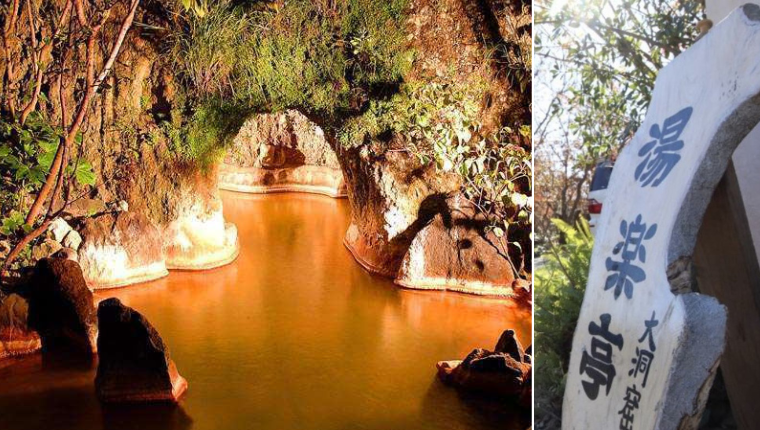
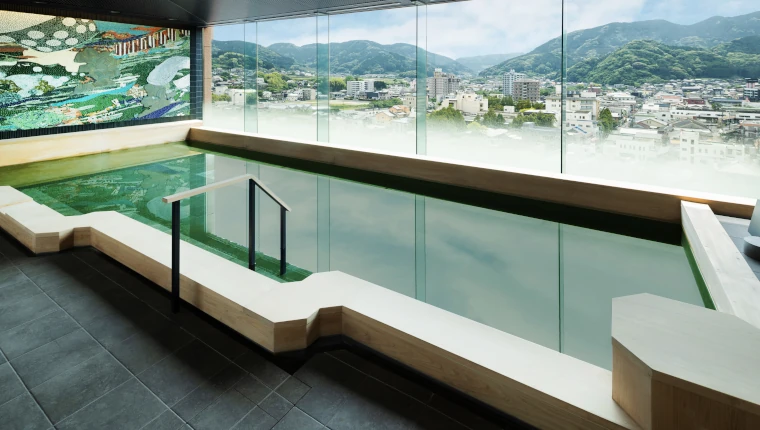
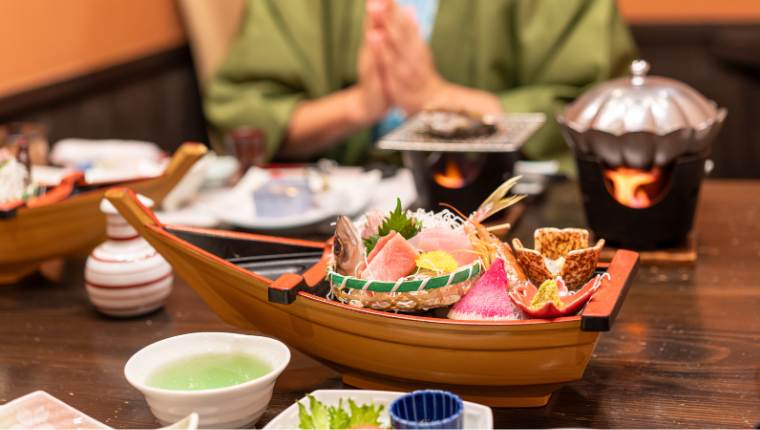 Dinner after a hot spring bath is one of the highlights of staying at a Japanese ryokan.
Kaiseki meals are usually served in a calm dining room or in your tatami room, letting you enjoy each dish at a relaxed pace. Small portions arrive one by one — appetizers, simmered dishes, grilled items, and hot pots — creating a Japanese-style course meal that unfolds slowly.
Beyond the food, you’ll notice thoughtful details like tableware, serving style, and the hospitality unique to each ryokan.
Because flavors and ingredients vary by region, dinner becomes a way to understand local culture through food.
In a calm setting, you can take your time enjoying flavors unique to the region along with each ryokan’s attention to detail. That is the appeal of kaiseki dining at an onsen ryokan.
Dinner after a hot spring bath is one of the highlights of staying at a Japanese ryokan.
Kaiseki meals are usually served in a calm dining room or in your tatami room, letting you enjoy each dish at a relaxed pace. Small portions arrive one by one — appetizers, simmered dishes, grilled items, and hot pots — creating a Japanese-style course meal that unfolds slowly.
Beyond the food, you’ll notice thoughtful details like tableware, serving style, and the hospitality unique to each ryokan.
Because flavors and ingredients vary by region, dinner becomes a way to understand local culture through food.
In a calm setting, you can take your time enjoying flavors unique to the region along with each ryokan’s attention to detail. That is the appeal of kaiseki dining at an onsen ryokan.
Japanese Tableware: The Craft That Brings Kaiseki to Life
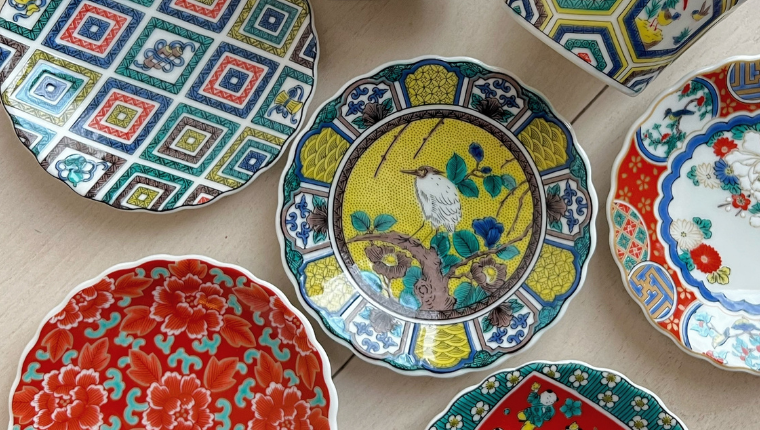 One of the joys of kaiseki cuisine is the Japanese tableware that enhances each dish.
Ryokan carefully choose plates and bowls not just for their looks, but for how they feel in your hands.
In particular, Japan is home to many regions known for traditional pottery, and in these areas, it’s common for locally made ceramics to be used as tableware for kaiseki meals.
For example—
Shigaraki ware (Shiga): Earthy, warm textures
Arita ware (Saga):Bright white porcelain with delicate designs
Kutani ware (Ishikawa): Vivid, artistic colors
Even the same dish can feel completely different depending on the vessel — discovering regional pottery is part of the travel experience.
To savor kaiseki cuisine is to experience not only the food, but also the local culture and aesthetic sensibility.
One of the joys of kaiseki cuisine is the Japanese tableware that enhances each dish.
Ryokan carefully choose plates and bowls not just for their looks, but for how they feel in your hands.
In particular, Japan is home to many regions known for traditional pottery, and in these areas, it’s common for locally made ceramics to be used as tableware for kaiseki meals.
For example—
Shigaraki ware (Shiga): Earthy, warm textures
Arita ware (Saga):Bright white porcelain with delicate designs
Kutani ware (Ishikawa): Vivid, artistic colors
Even the same dish can feel completely different depending on the vessel — discovering regional pottery is part of the travel experience.
To savor kaiseki cuisine is to experience not only the food, but also the local culture and aesthetic sensibility.
Try a Pottery Experience While You Travel
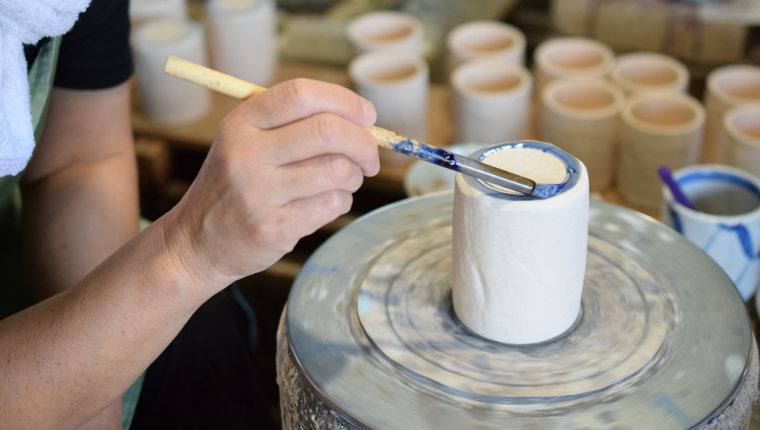 If a piece of tableware catches your eye, why not try making pottery yourself?
Many regions offer pottery experiences at local potters’ studios, where visitors can try making their own pieces.
Popular options include:
If a piece of tableware catches your eye, why not try making pottery yourself?
Many regions offer pottery experiences at local potters’ studios, where visitors can try making their own pieces.
Popular options include:
- Pottery making: Knead the clay and shape bowls or small plates. The marks of your hands remain, creating a one-of-a-kind piece.
- Porcelain painting: Paint blue or red designs on white porcelain. A calm, focused experience that’s quietly satisfying.
- Overglaze painting (such as Kutani ware): Create patterns freely using traditional colors, enjoying the process with an artistic, creative feel.
Making a piece similar to what you saw at a ryokan is a uniquely Japanese experience.The finished item becomes a meaningful souvenir you can use at home. Just note that some workshops may not offer overseas shipping, so it’s best to check in advance.Recommended-
”Kaiseki Cuisine: A Special Cultural Experience of Traveling in Japan
Kaiseki cuisine is one of the most memorable cultural experiences you can have in Japan. As seasons change, ingredients and tableware shift. As locations change, flavors and styles evolve. Each dish reflects the land and culture of the place. Enjoying kaiseki at a ryokan isn’t just about eating — it’s about experiencing Japan through taste, craft, and quiet moments that stay with you long after the trip ends.RecommendedAbout the Writer

Saya.Y
Based in Hokkaido, I’m a writer and a mother of two. I’ve loved Japanese culture since childhood—especially castles, samurai, and ninja. I hold a Level 3 Castle Examination certification, and I never miss movies or period dramas featuring ninja! With the hope that travelers to Japan will also discover its culture, I write clear and helpful articles.
Search by Keyword
Explore More of Japan