- TOP
- > ExploreJapaneseCulture
- > Japanese Food
- > What Is Japan’s “Fermentation Culture”? Discover the World of Miso, Soy Sauce, and Washoku on Your Japan Trip
 Japanese Food
Update:2025.12.01
What Is Japan’s “Fermentation Culture”? Discover the World of Miso, Soy Sauce, and Washoku on Your Japan Trip
Fermented foods are at the heart of Japanese cuisine.
Miso, soy sauce, natto, pickles, and even the world-famous sake (SAKE) all owe their deep flavors to fermentation.
For centuries, breweries and workshops across Japan have crafted these foods, creating regional styles shaped by local climate and water.
Discovering these differences while traveling gives you a new appreciation for the depth of washoku.
In this article, we explore Japan’s fermentation culture and the flavors you can experience on your travels.
Contents
What Is Fermentation? The Secret Behind Japanese Flavor
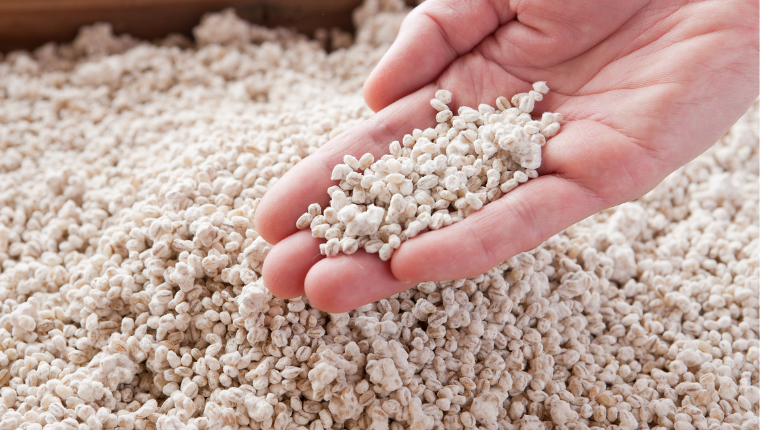 Fermentation is a natural process where tiny organisms—like koji mold, yeast, and lactic acid bacteria—create umami and aroma inside foods.
Among them, koji plays a central role in Japanese cuisine, forming the base of miso, soy sauce, mirin, and more.
Japan’s clear seasons and high humidity create ideal conditions for fermentation: mild springs and autumns, humid summers, and crisp winters.
This moisture helps microbes work slowly and enrich the ingredients over time.
Over the centuries, each region developed its own techniques, giving fermented foods distinct tastes and aromas. Today, you’ll find unique local specialties all across the country.
Fermentation is a natural process where tiny organisms—like koji mold, yeast, and lactic acid bacteria—create umami and aroma inside foods.
Among them, koji plays a central role in Japanese cuisine, forming the base of miso, soy sauce, mirin, and more.
Japan’s clear seasons and high humidity create ideal conditions for fermentation: mild springs and autumns, humid summers, and crisp winters.
This moisture helps microbes work slowly and enrich the ingredients over time.
Over the centuries, each region developed its own techniques, giving fermented foods distinct tastes and aromas. Today, you’ll find unique local specialties all across the country.
Recommended
-

Miso, Soy Sauce & Natto: Japan’s Iconic Soy-Based Fermented Foods
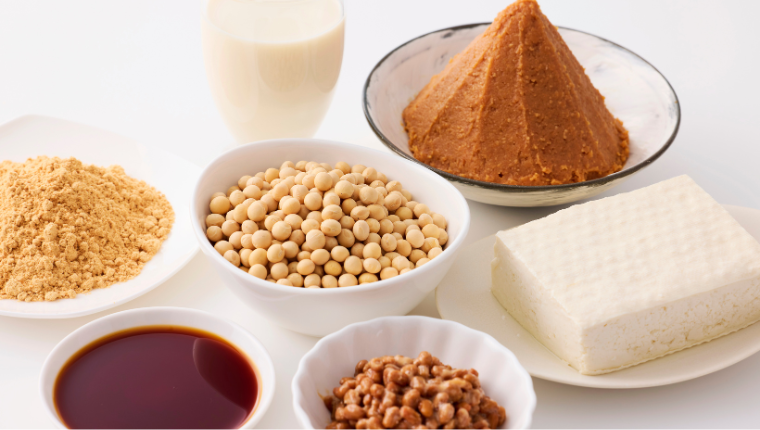 When people think of Japanese fermented foods, miso, soy sauce, and natto come first.
All are made from soybeans, but fermentation gives each one its own character.
Tasting them—whether at local restaurants or as souvenirs—is one of the joys of traveling in Japan.
When people think of Japanese fermented foods, miso, soy sauce, and natto come first.
All are made from soybeans, but fermentation gives each one its own character.
Tasting them—whether at local restaurants or as souvenirs—is one of the joys of traveling in Japan.
Miso
- ・A traditional Japanese seasoning made by fermenting soybeans with koji.
- ・Its flavor ranges widely by region and technique, from sweet and mild to rich and bold.
- ・Essential in everyday dishes like miso soup, veggie dips, and sauces for grilled fish.
Soy Sauce (Shoyu)
- ・A classic Japanese seasoning made by fermenting soybeans, wheat, and salt.
- ・It brings out the flavor in all kinds of dishes, from sashimi and sushi to everyday simmered foods.
- ・Some soy sauce breweries offer tours where you can experience the toasty aroma and see the brewing process up close.
Natto
- ・A uniquely Japanese health food made by fermenting soybeans.
- ・Known for its sticky texture and distinctive aroma.
- ・Highly nutritious and good for the body, though it’s a love-it-or-hate-it food for many.
- ・It often surprises visitors, but it’s definitely worth trying at least once.
Recommended-
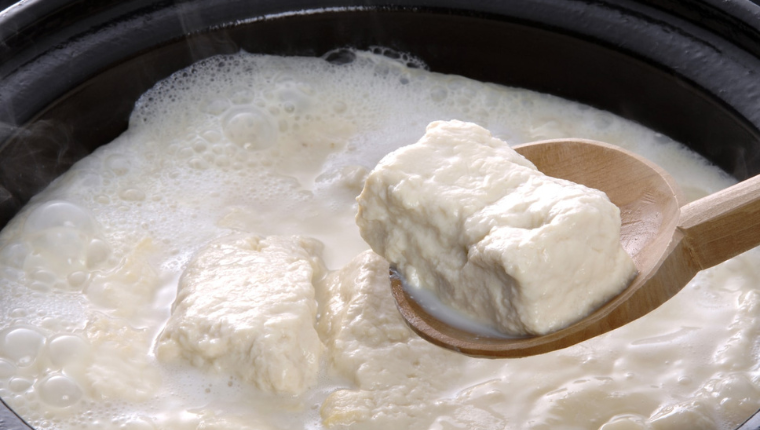
Miso Soup: A Bowl of Fermentation the World Loves
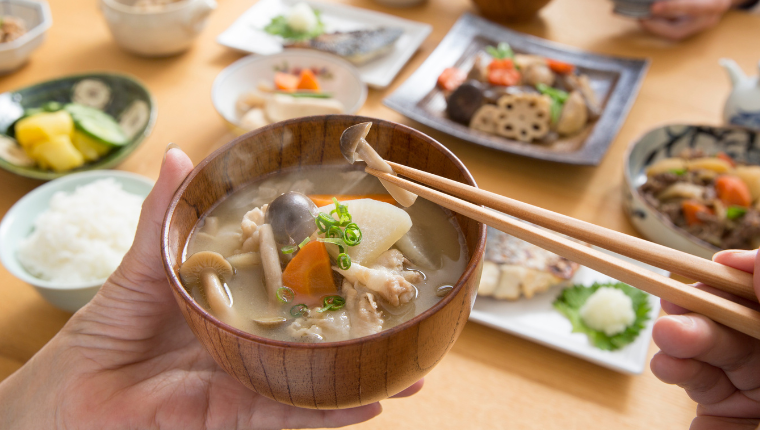 Of all miso dishes, miso soup is the most familiar outside Japan.
You’ll see it everywhere—from home-style meals to set menus at restaurants. A bowl that captures the essence of Japanese cuisine, it’s simple yet full of depth.
The appeal comes from the gentle umami of fermented miso mixed with broth and ingredients like tofu, wakame, vegetables, or fish. Its mild, comforting taste is what makes miso soup so beloved. The combination of ingredients varies by region and household, giving each bowl its own character.
Miso itself also differs across Japan—Tohoku’s red miso, Kansai’s white miso, Kyushu’s sweet barley miso, and more. Because of this, miso soup can taste completely different depending on where you travel.
When you’re in Japan, take a moment to notice what kind of miso is used and what ingredients are added. You’ll start to see how each bowl reflects the local fermentation culture.
Of all miso dishes, miso soup is the most familiar outside Japan.
You’ll see it everywhere—from home-style meals to set menus at restaurants. A bowl that captures the essence of Japanese cuisine, it’s simple yet full of depth.
The appeal comes from the gentle umami of fermented miso mixed with broth and ingredients like tofu, wakame, vegetables, or fish. Its mild, comforting taste is what makes miso soup so beloved. The combination of ingredients varies by region and household, giving each bowl its own character.
Miso itself also differs across Japan—Tohoku’s red miso, Kansai’s white miso, Kyushu’s sweet barley miso, and more. Because of this, miso soup can taste completely different depending on where you travel.
When you’re in Japan, take a moment to notice what kind of miso is used and what ingredients are added. You’ll start to see how each bowl reflects the local fermentation culture.
Fermentation Traditions Passed Down Across Japan
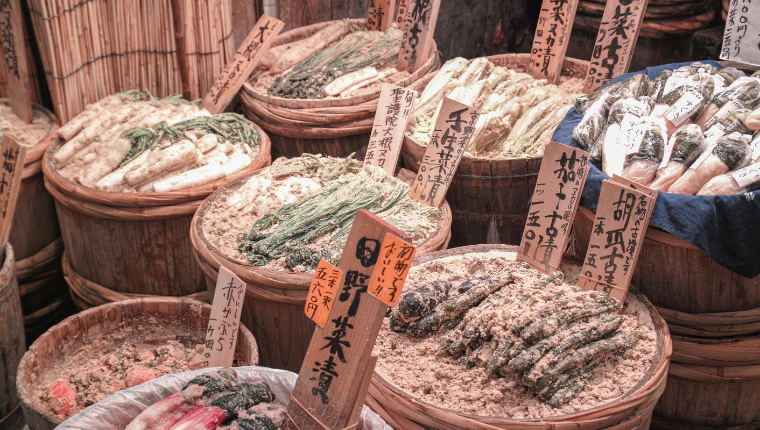 In Japan, differences in climate, water, and lifestyle have shaped distinct fermentation traditions in every region.
Miso and soy sauce, in particular, vary widely in color, flavor, and saltiness, and the more you travel, the more clearly you feel those differences.
This regional character shows up not only in miso and soy sauce but in many other fermented foods across the country.
In Japan, differences in climate, water, and lifestyle have shaped distinct fermentation traditions in every region.
Miso and soy sauce, in particular, vary widely in color, flavor, and saltiness, and the more you travel, the more clearly you feel those differences.
This regional character shows up not only in miso and soy sauce but in many other fermented foods across the country.
Kyoto’s Pickle Culture
Making use of Kyoto’s seasonal temperature shifts, locals have passed down a tradition of pickling seasonal vegetables with salt or koji. These tsukemono—Japan’s version of “pickles”—vary subtly from household to household. It’s a region where you can truly taste each family’s unique “home style” in every bite.Akita’s Iburigakko
A smoked, fermented daikon pickle born in snowy Akita. Traditionally, the daikon is hung over an irori (a small hearth inside the home) and smoked before being preserved. It has a toasty aroma and a deep, addictive flavor.Kyushu’s Sweet Soy Sauce
In warm Kyushu, slightly sweet soy sauce is the norm. It’s mild on sashimi and often surprises travelers who say, “This tastes nothing like the soy sauce I know!” Fermented foods capture the climate and lifestyle of each region. From miso soup to the aroma of local soy sauce, these differences make traveling—and tasting—Japan even more fun.Recommended-

Fermentation: A Bridge Between Japanese Flavor and Culture
Fermentation is the foundation of Japanese taste, nurtured through time and nature. The slow process reflects a mindset of patience and trust in natural forces. Visiting a brewery and breathing in the rich aroma is a glimpse into Japan’s long tradition of living in harmony with nature. As you travel, try the fermented foods unique to each region. Here, you can feel over a thousand years of Japanese flavor and practical wisdom still alive today.RecommendedAbout the Writer
Saya.Y
Based in Hokkaido, I’m a writer and a mother of two. I’ve loved Japanese culture since childhood—especially castles, samurai, and ninja. I hold a Level 3 Castle Examination certification, and I never miss movies or period dramas featuring ninja! With the hope that travelers to Japan will also discover its culture, I write clear and helpful articles.
-
Search by Keyword
Explore More of Japan
-